Roles and permissions
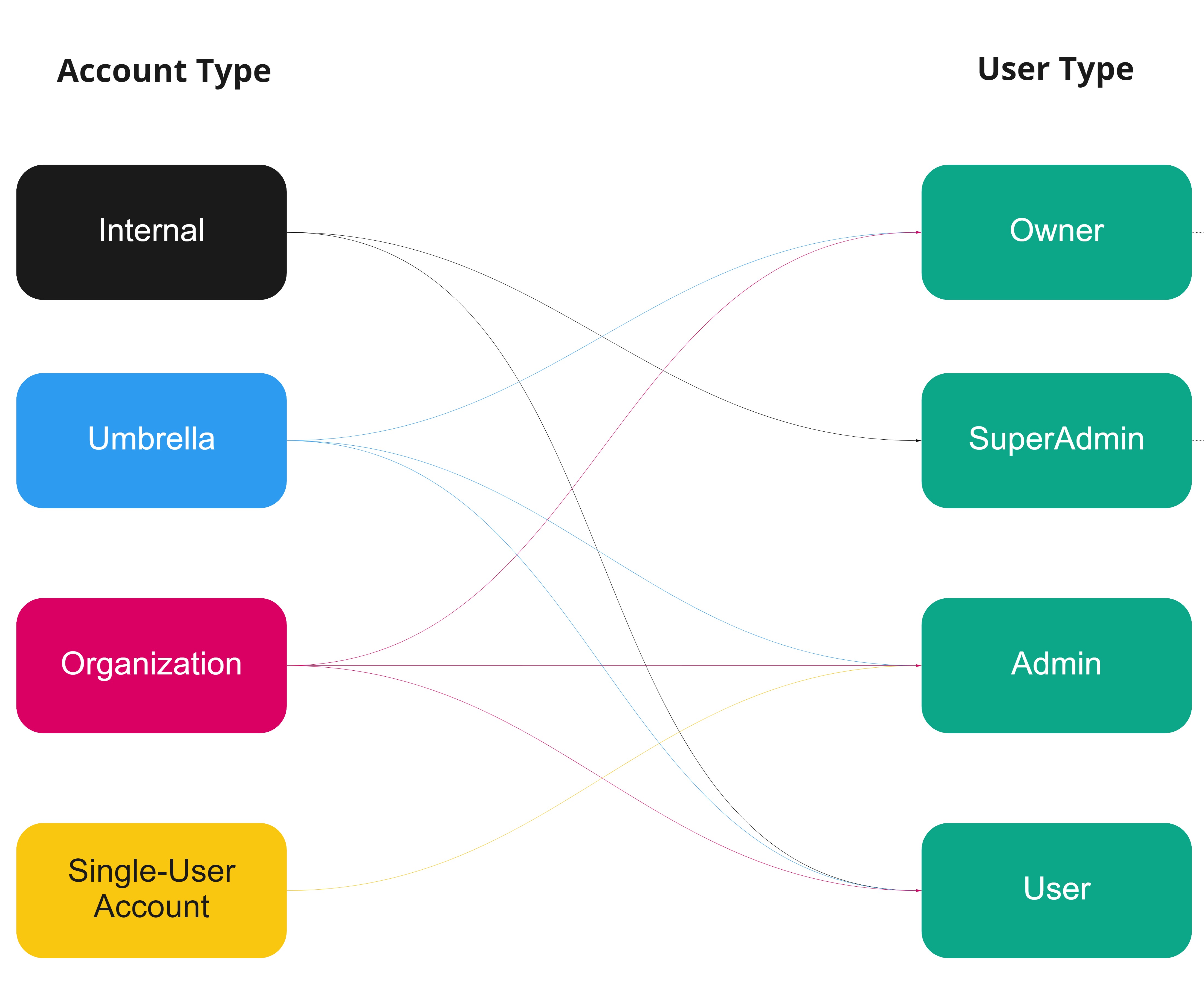
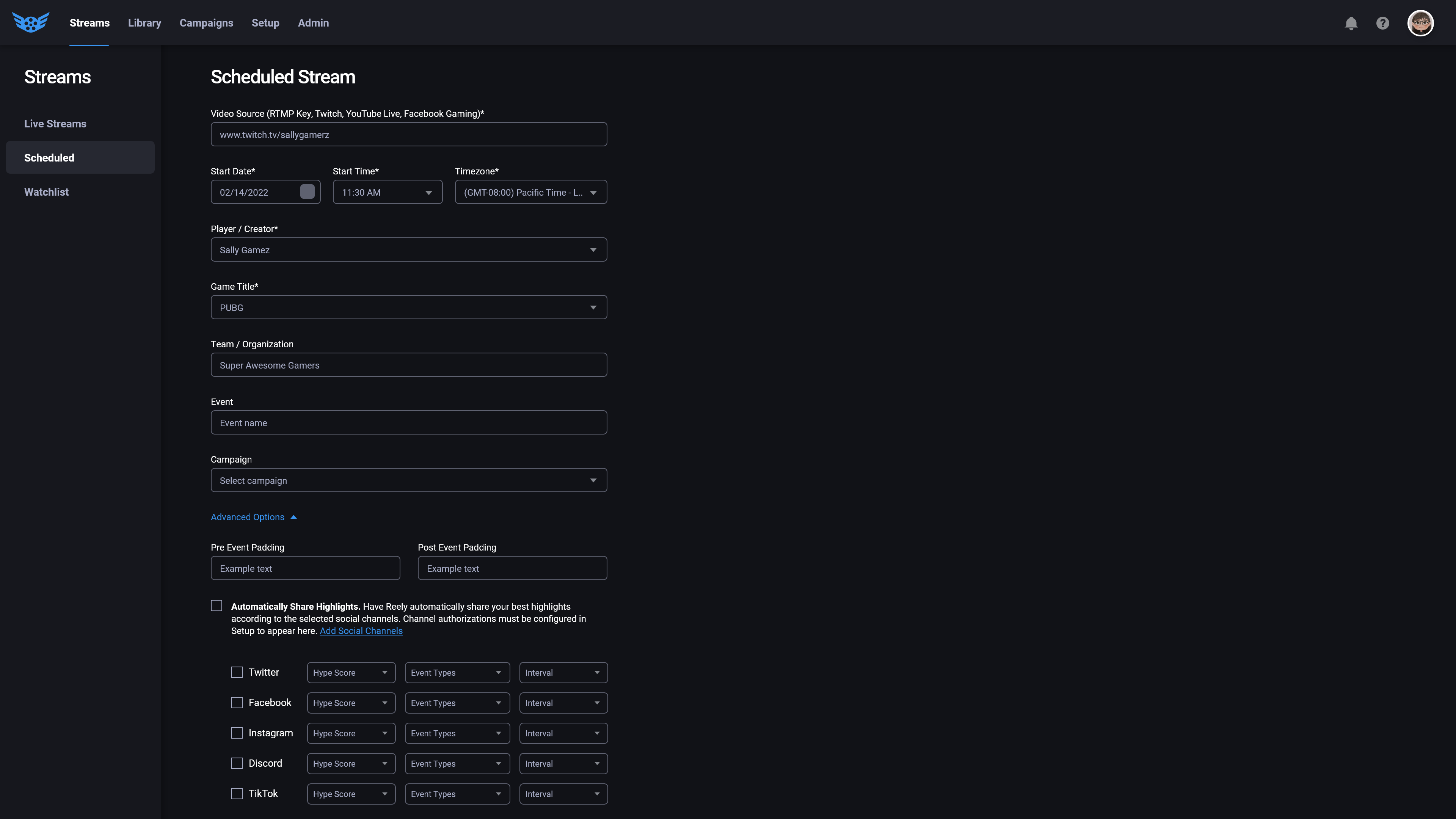
Defined account types, user roles, and supporting permission structures so the product could better reflect different levels of access and responsibility across the platform.
02 / PROFESSIONAL

Reely was an AI-powered video platform for generating and managing short-form highlight content for esports and sports.
I joined as the company was moving beyond an early MVP used with a small set of clients, helping evolve the product's "v2" for a more scalable and usable B2B experience.
As the platform expanded, the design challenge became creating enough structure for the product to scale without losing clarity.
The experience needed to support different user roles, more complex workflows, and a growing set of tools while still feeling coherent and usable.
Defined account types, user roles, and supporting permission structures so the product could better reflect different levels of access and responsibility across the platform.
Helped shape workflows, the IA, and UI in relation to the product's underlying data model, making the experience easier to navigate and scale.
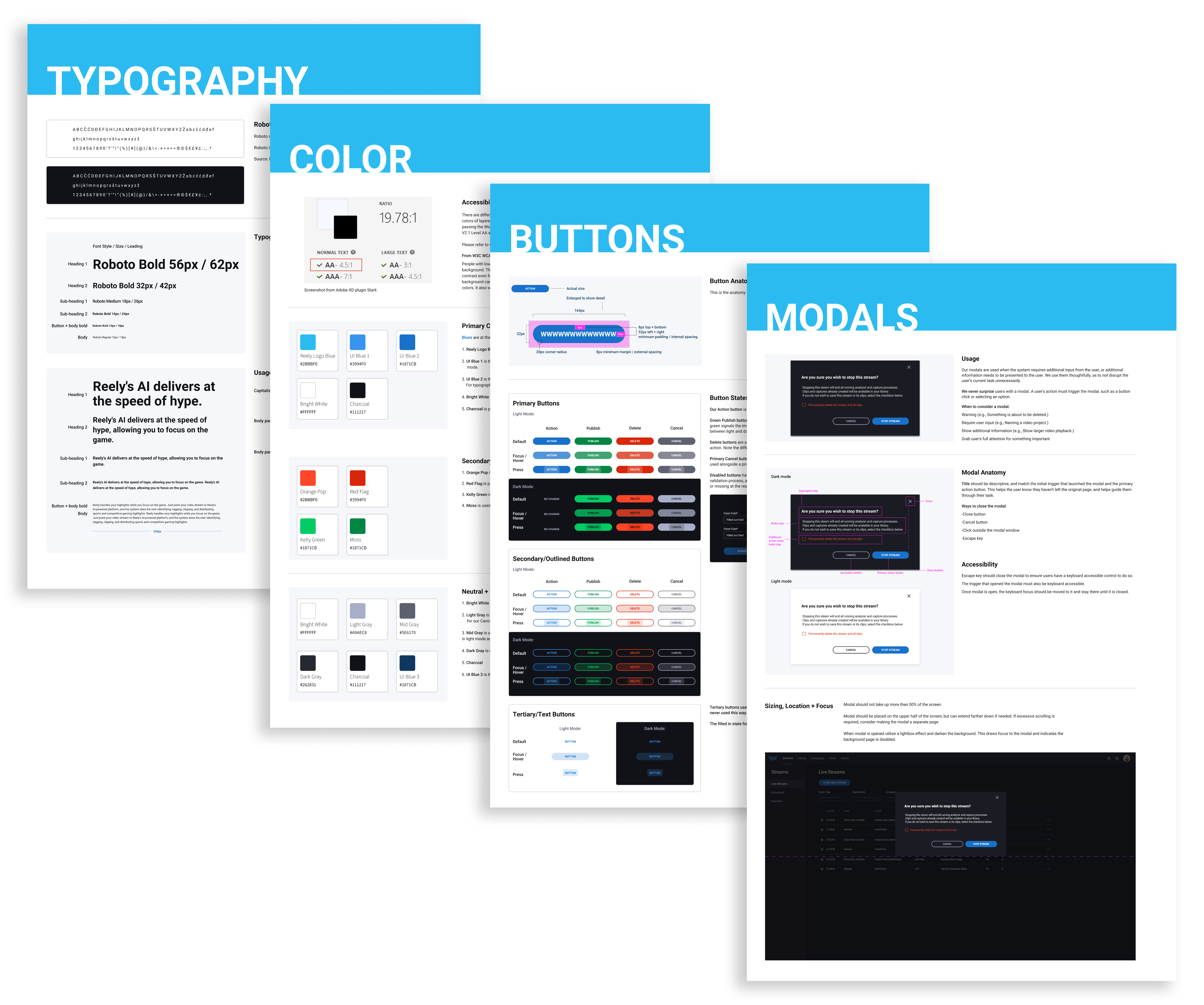
Built a foundational style guide covering color, typography, buttons, modals, and reusable interaction patterns to support product consistency.
Worked closely with leadership and an outsourced development team to clarify requirements, review builds, and resolve implementation gaps.
One of the more foundational parts of the work was helping define how account types and user roles mapped to the product experience.
That meant thinking through hierarchy, permissions, and the different tasks that mattered most to each user type.
I created a foundational UI system to support more consistent product design as the platform grew.
This included work across color, buttons, modal patterns, typography, and accessibility-minded visual decisions.
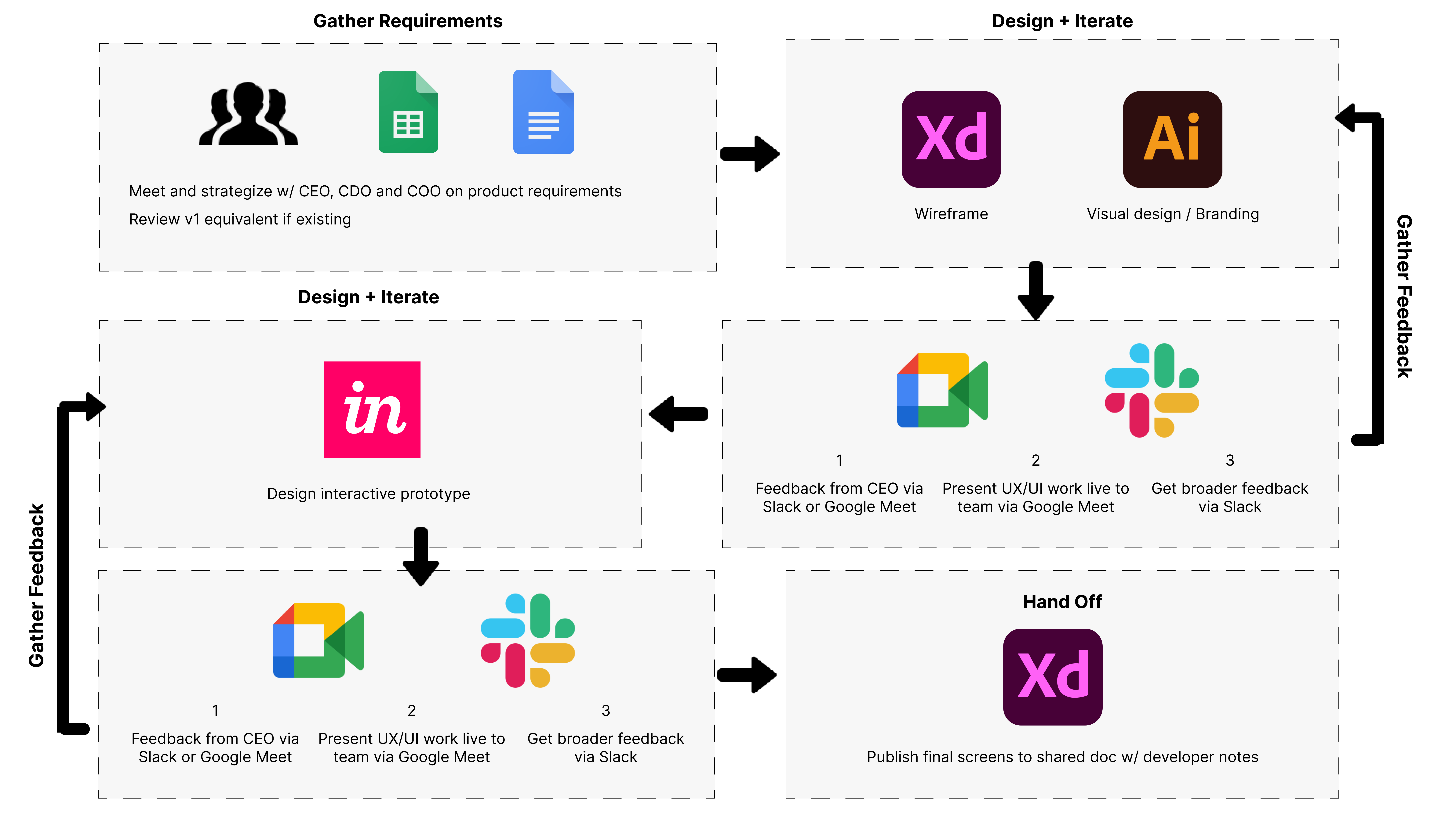
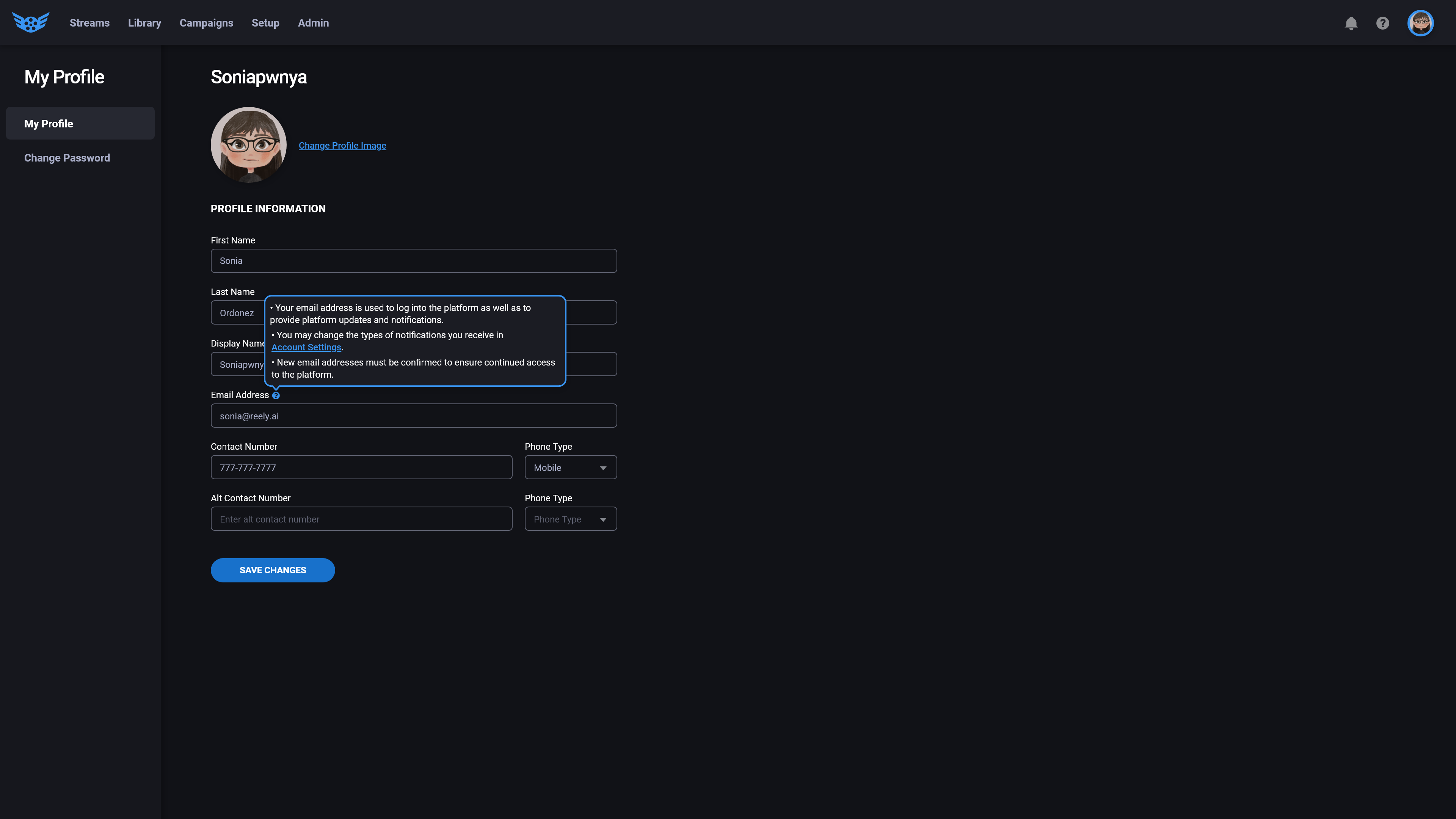
The product evolved through repeated rounds of feedback and refinement.
I helped move ideas from early concept exploration into more refined, production-ready screens.
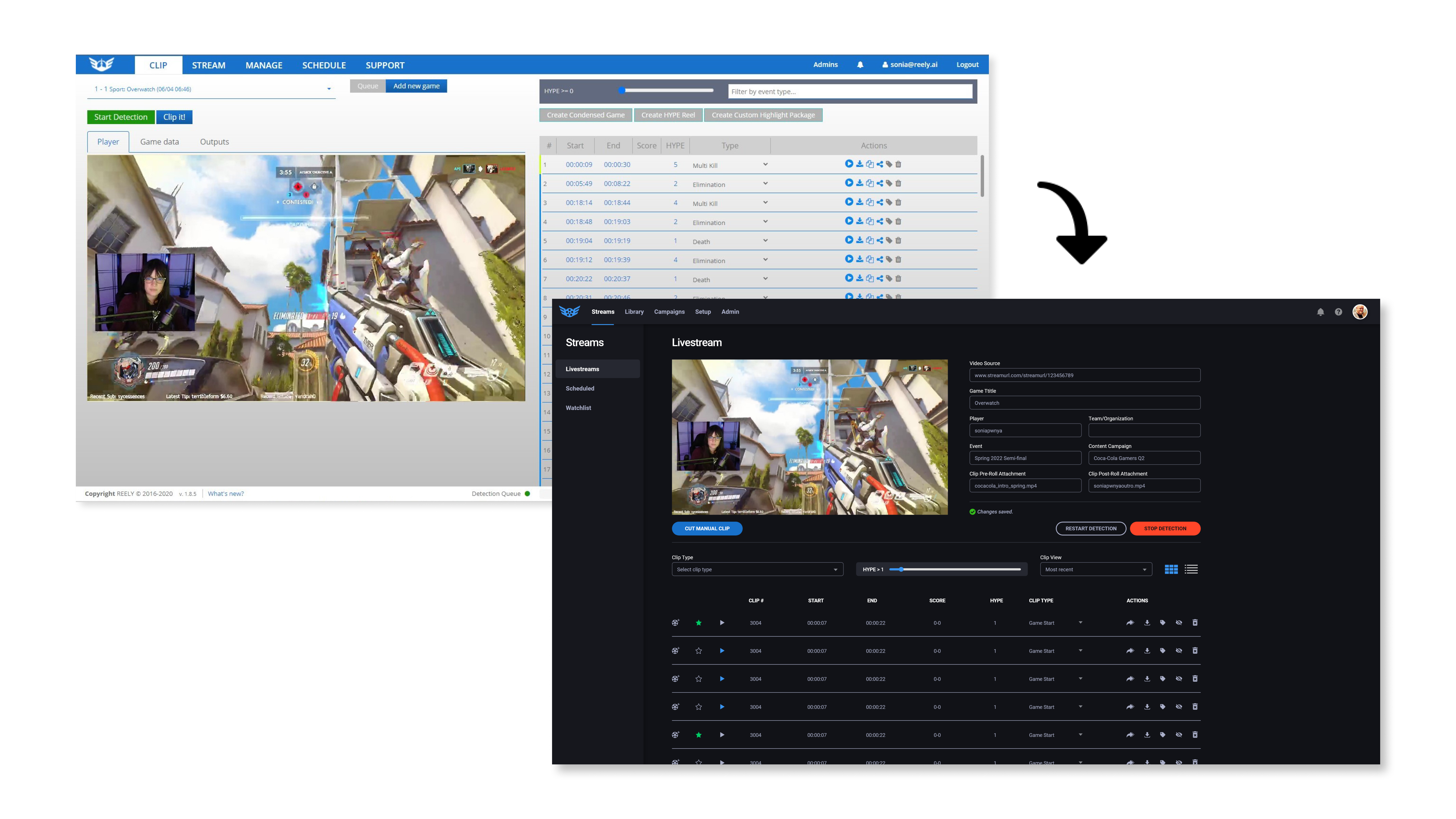
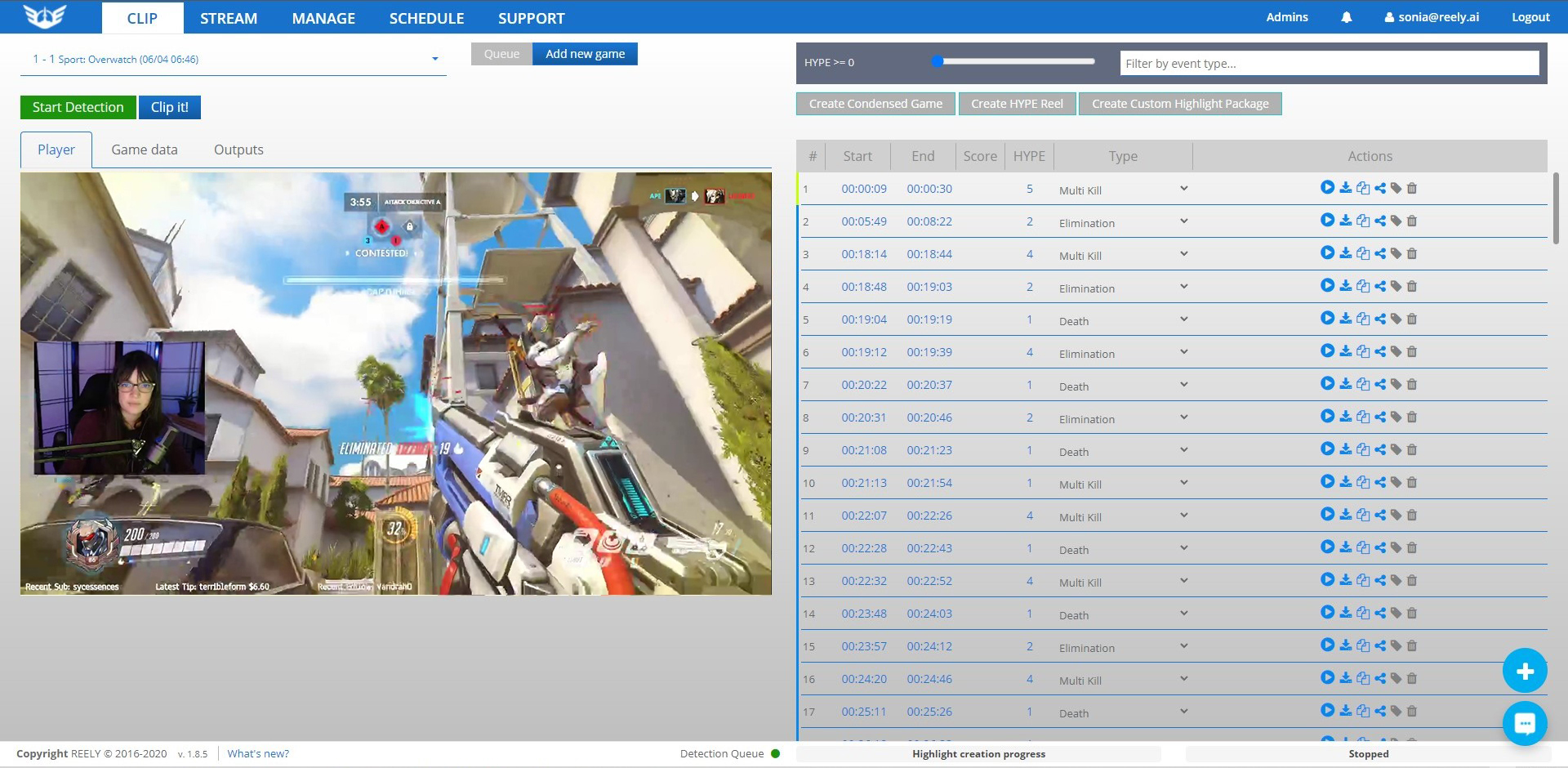
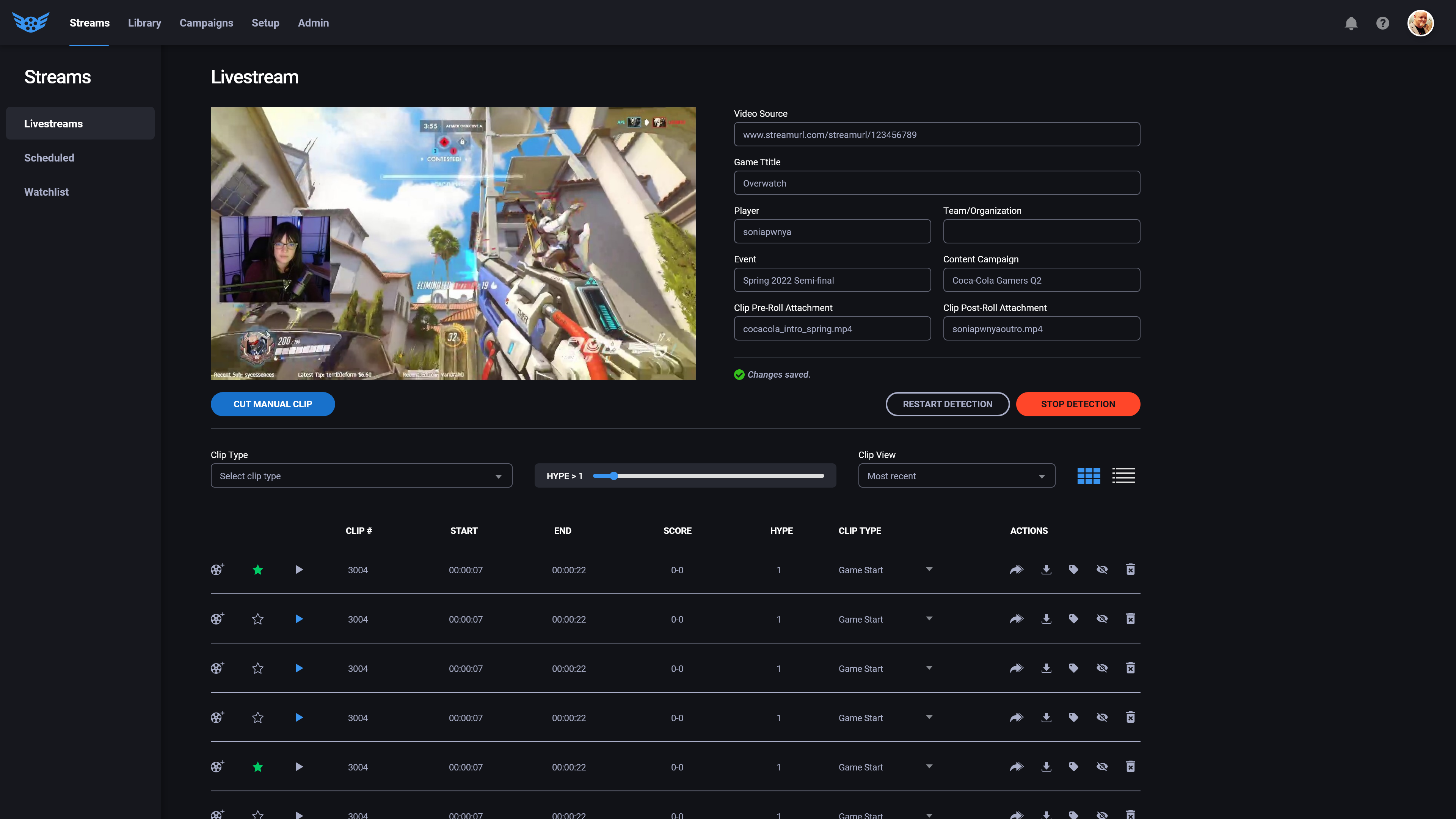
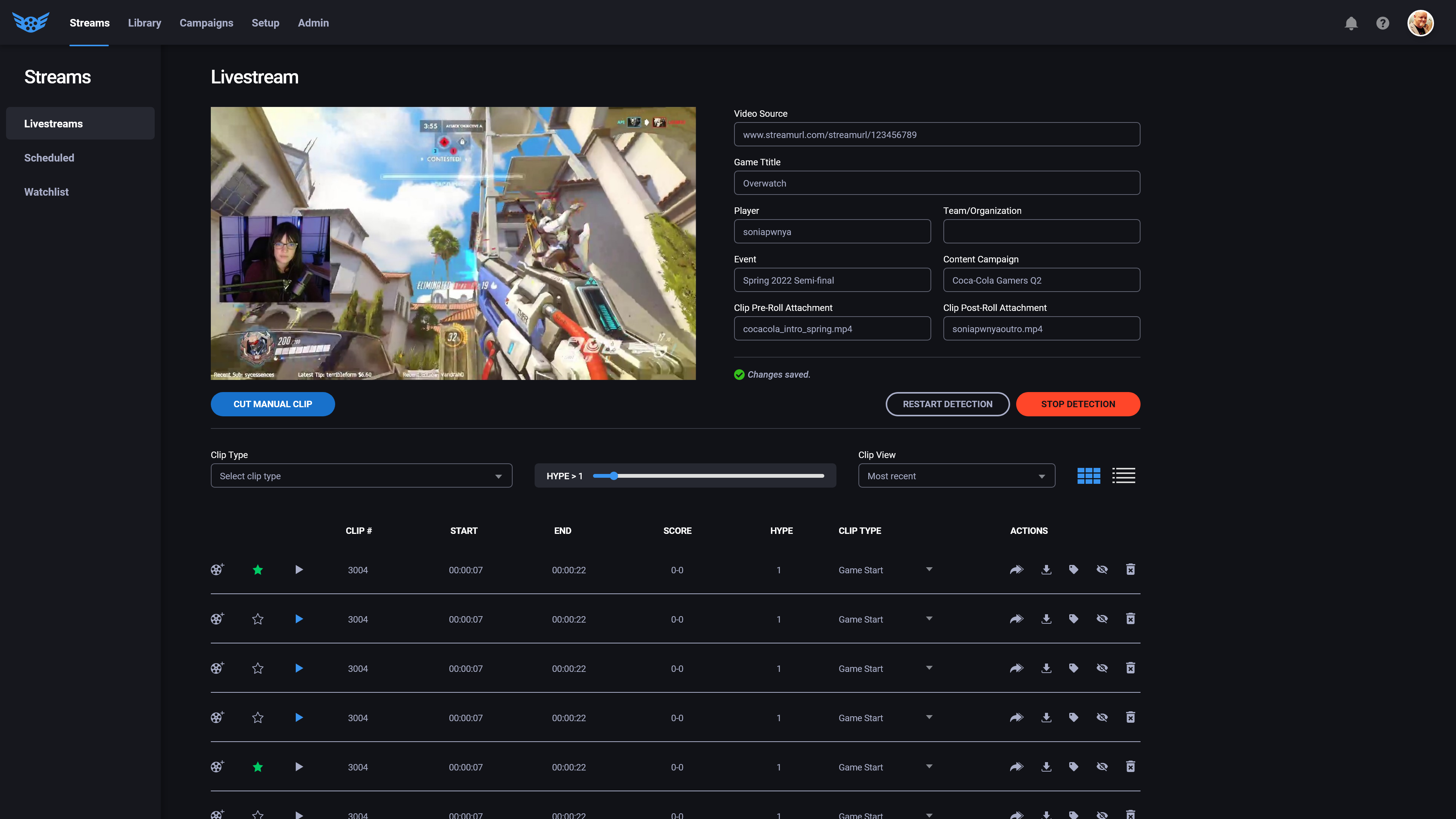
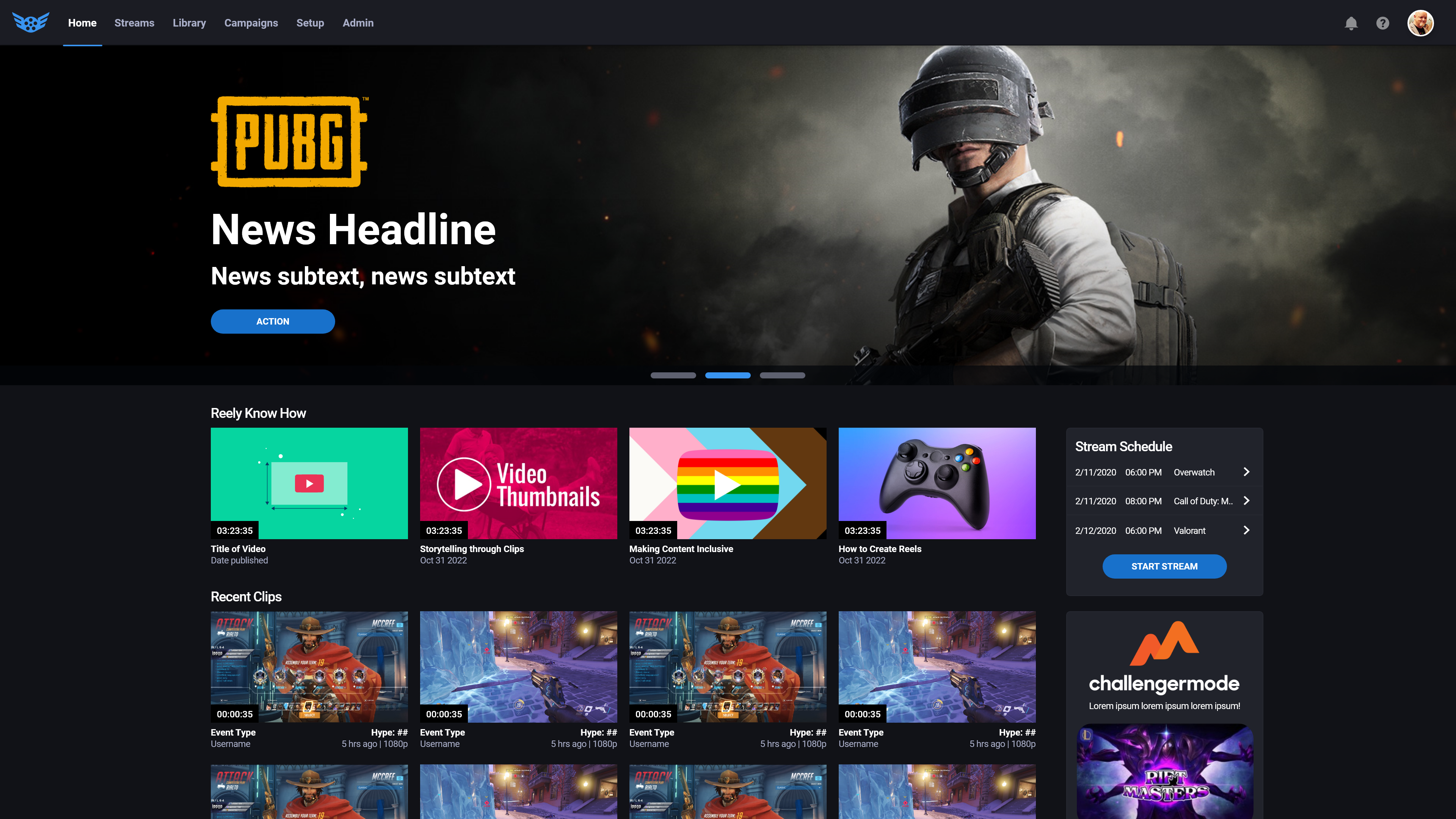
Below are a couple examples showing how screens evolved through feedback and refinement.
The home experience evolved from early exploration into a more refined and structured screen, with clearer hierarchy and more intentional use of content modules.

The Livestream Monitor let users watch clips as they were generated from a live stream, whether from a game broadcast or an in-person sporting event.
Later iterations expanded the tool with finer controls for managing content, reviewing outputs, and editing metadata.
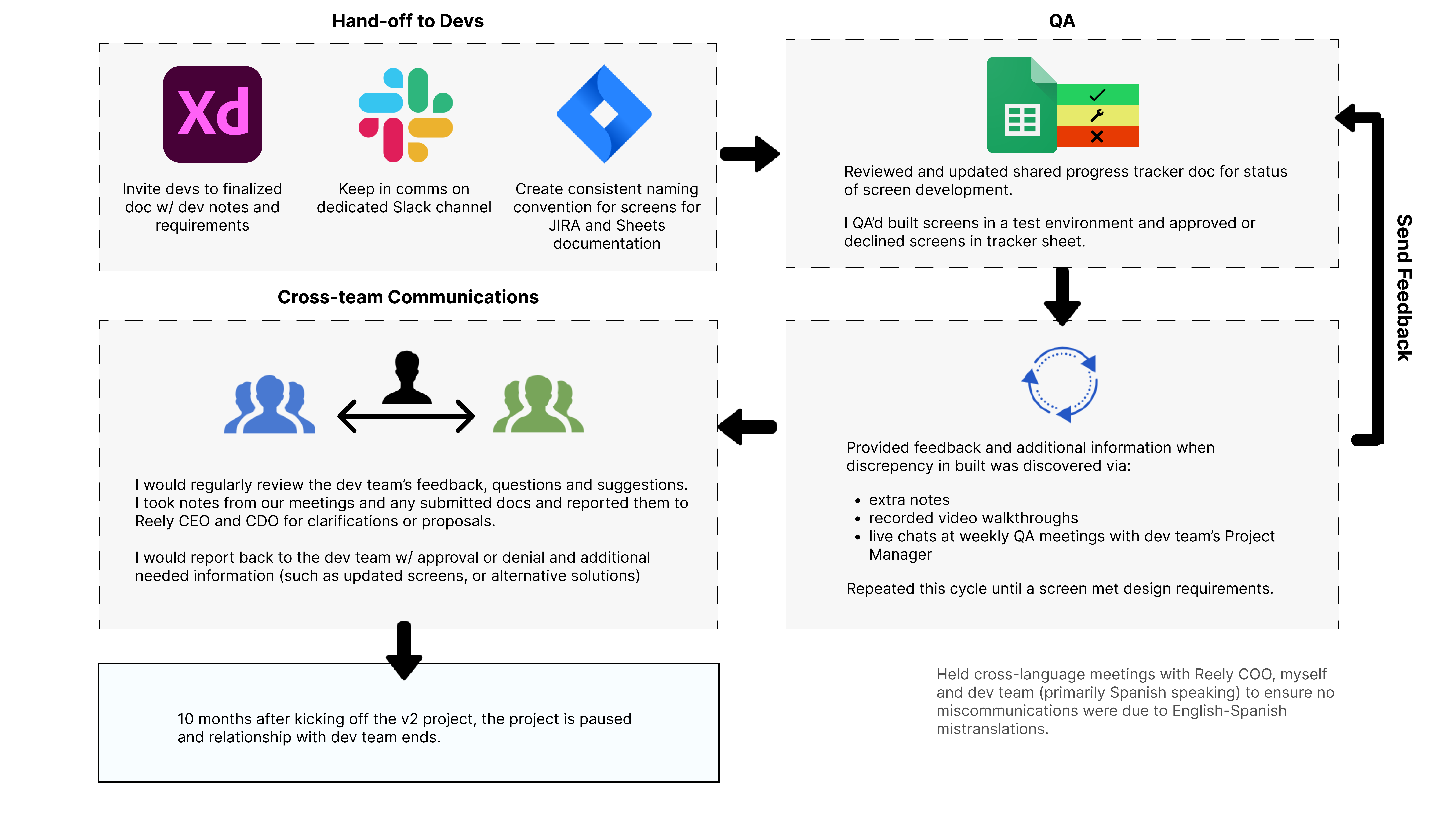
As point of contact for the outsourced dev team, I reviewed builds, documented decisions, and communicated fixes and clarifications across teams.
Working on the Reely project accelerated my learning in ways I hadn't expected. Being thrown into a startup environment and helping shape a product in motion meant learning quickly, becoming proficient in cross-collaboration language, and adapting as new challenges surfaced.
I'm forever grateful for the opportunity to be part of that process, for my leaders' mentorship, and to have contributed to the product's growth and evolution.
My time at Reely made me more thoughtful about the practical realities of getting design into the world. It also sparked a lasting interest in front-end implementation.
Since this project, I've grown much more knowledgeable in HTML and CSS, especially around accessibility and the relationship between design intent and the final built experience.